Roof Insurance Claims in Viera, FL
Roof Damage Documentation and Repair Estimates After a Storm
When a storm leaves a Viera roof looking different, the first challenge is figuring out what actually changed. A loose shingle, fresh ceiling stain, or damaged metal edge may need attention, but it does not by itself establish what an insurance policy covers. 3LP Roofing Inc can inspect accessible roof areas, photograph visible conditions, and explain the roofing work that may be needed. The property owner handles the insurance claim directly with the insurer, while our role stays focused on roofing facts and estimates.
We look at damaged coverings, transitions, penetrations, drainage, and accessible evidence of water entry. It also matters to distinguish a new break from older wear, previous repairs, or maintenance issues. When relevant, National Weather Service data can help establish weather conditions reported around the date of concern. Photographs and an itemized roofing scope give you information to discuss with the insurance company. Coverage decisions, claim negotiations, and policy interpretation belong to the insurer and properly licensed insurance professionals.
Have roof damage questions after a Viera storm?
Give us a call at (321) 326-0817 or message us online today!
Roof Questions to Address Before an Insurance Claim
If you suspect weather-related roof damage, focus first on safety, preventing further damage, and collecting a clear record of what you can see:
- New water entering the building: Record interior stains or wet areas, limit additional damage safely, and report the concern to your insurer.
- Visible changes after severe weather: Displaced shingles, bent trim, panel damage, or debris impacts may warrant a professional roof assessment.
- Questions about prior wear:
A roofing inspection can describe existing deterioration separately from conditions that appear recent.
Do not begin with the assumption that the entire roof must be replaced. Some storms create isolated defects; other roofs already have widespread deterioration that needs to be addressed independently of the event. The useful first step is to record the location and nature of the visible problem. Dated photographs of the interior, exterior conditions seen safely from the ground, and any immediate protective measures can help preserve a reliable timeline.
Roof damage is not always obvious from a driveway. A shingle may be creased without being missing. Metal trim may look intact until a loose connection is inspected closely. Water can also appear several feet away from its entry point. We examine accessible conditions and avoid claiming certainty about hidden materials. If opening a section becomes necessary during approved repairs, newly uncovered damage should be documented and explained.
Keep ordinary maintenance in the conversation. Old seal failures, deteriorated pipe boots, clogged drainage, and previous patchwork may contribute to leaks even when the property experienced strong wind or rain. A credible inspection should record those possibilities. That distinction helps you understand the repair problem, even though it does not decide whether the insurer will pay for it.
Commercial property owners face additional practical questions after roof damage. Tenants may report leaks in different rooms, rooftop equipment may restrict access, and protecting active entrances can take priority. Establish a record of affected roof areas and interior locations, then coordinate inspections safely around operations. The insurance contact remains responsible for the policy and claim, while the roofing estimate addresses construction work.
Storm Damage Evidence for Viera Properties
Viera lies within unincorporated Brevard County, where neighborhoods, offices, and shopping areas contain different roof types and exposure conditions. A summer thunderstorm can bring intense rain to one part of a neighborhood while another block sees less. The roof's actual condition matters more than a generalized regional weather headline. A dated, photo-documented assessment can connect observed damage to specific slopes, edges, or interior symptoms without overstating what caused them.
- Photographs with context: Record which roof face, valley, edge, or room contains the visible defect rather than collecting unlabeled close-ups.
- Weather records as background: National Weather Service reports may describe conditions near the event, but they do not establish coverage.
- Permit and repair planning:
If repair or replacement proceeds, confirm applicable Brevard County requirements for the property and scope.
Roof Repair Estimates and Claim-Related Costs
A roofing estimate should reflect construction needs, not an assumed insurance payout. Cost changes with the size of the damaged area, roof pitch, materials, accessibility, decking condition, drainage details, and the work needed to restore protection. A small localized repair may involve very different labor from removing an entire roof. If water has reached concealed wood or insulation, the extent may not be known until that area can be examined safely.
3LP Roofing Inc can prepare transparent pricing for the roofing work being recommended. Ask for materials, labor-related scope, preparation, protection, cleanup, and any conditions that may lead to an approved change. The insurer determines how the policy responds, including coverage and any deductible. Never assume an estimate equals an approved payment. Keep the repair contract, insurance correspondence, photographs, and invoices organized separately so each serves its own purpose.
- Extent of visible damage: One affected slope or a few openings can require less work than multiple damaged roof sections.
- Materials and roof shape: Shingles, metal panels, low-slope areas, steep pitches, and complex transitions require different work.
- Concealed conditions: Wet insulation, weakened sheathing, or damaged edge wood may require additional assessment after opening.
- Protection and logistics:
Temporary safeguards, access restrictions, business activity, permits, and weather can affect scheduling.
Choosing a Roofer During the Insurance Process
An insurance claim can create pressure to sign a roofing agreement before you understand the work. Choose a contractor who explains the roof condition and provides a detailed, good-faith estimate. Ask what is included, who is responsible for permits, how unexpected deck damage will be handled, and what happens if the insurer's decision differs from the proposed work. Be wary of anyone promising a guaranteed claim outcome or offering to erase your deductible.
3LP Roofing Inc bases its roofing recommendations on inspection findings and documented work needs. Photographs help explain the affected areas, and written pricing identifies the proposed repair or replacement. The company's 10-year workmanship guarantee backs completed services and repairs. We do not replace an insurer, interpret insurance coverage, or negotiate claims on behalf of policyholders. That boundary keeps the roofing assessment clear and independent of the claim decision.
- A written roofing estimate: Request itemized materials and a clearly described repair or replacement scope.
- No claim promises: Contractors should not guarantee an insurer will approve a roof or waive an insurance deductible.
- Know who represents you: Coverage advice and claim adjustment are for insurers and appropriately licensed adjusters.
- Clear work authorization:
Understand payment responsibility, changes in scope, permit planning, and contract terms before signing.
You should feel comfortable asking two separate questions: What work does my roof need, and what will my insurance policy pay for? The contractor can answer the construction question with a grounded estimate. The insurer answers the coverage question. Keeping those roles separate reduces confusion at a point when property owners already have enough to manage.
Viera
Proud Awards, Certifications
& Featured Brands


Roof Damage Assessments for Viera Businesses
Storm damage at a business can affect inventory, equipment, offices, and customer areas. Low-slope roofs may hide moisture paths around equipment curbs, seams, or drains. A roof assessment should locate visible damage and identify construction priorities without speculating about insurance payment.
3LP Roofing Inc photographs accessible conditions and explains repair options. Work planning accounts for occupied entrances, deliveries, and rooftop equipment. Our roofing estimate covers proposed construction. The business or its authorized insurance representative handles claim communications and insurer decisions.
- Map affected roof areas: Note visible covering damage, penetrations, drainage, and indoor leak locations.
- Protect operations: Coordinate access, occupied spaces, parking, equipment, and safety precautions.
- Keep records separate:
Save roof photos, estimates, repair invoices, and insurer correspondence.
Owners should understand what needs protection now, which areas are repairable, and what requires a bigger project. Those decisions matter regardless of insurance coverage.
Our Roofing Documentation Process After a Storm
When a Viera owner calls about possible storm damage, we focus on the physical condition and likely roofing work. Our steps are:
- Record the concern: Note the reported event date, stains, and roof areas.
- Photograph conditions: Check accessible coverings, edges, and water entry.
- Review weather: Use National Weather Service data as background, not proof.
- Explain roof work: Provide repair options and written construction pricing.
- Plan authorized work: Review protection, permits, changes, and cleanup.
Save the findings and provide the relevant records to your insurer when requested. Questions about the construction estimate can be discussed within the roofing scope. You remain in charge of claim decisions and authorizing any work.
Frequently Asked Questions About Roof Insurance Claims in Viera, FL
Can 3LP Roofing Inc File or Negotiate My Roof Insurance Claim?
The property owner should contact the insurance company and manage the claim. 3LP Roofing Inc can inspect the roof, provide photographs, explain visible conditions, and prepare an estimate for repair or replacement work. We do not interpret the policy, decide what is covered, or negotiate a settlement on the policyholder's behalf. For coverage questions or claim representation, contact the insurer or an appropriately licensed insurance professional.
What Roof Damage Should I Document After a Storm?
Photograph new interior stains, visible missing material, displaced trim, debris strikes, and any safe temporary measures taken to keep water out. Include dates and locations when you can. Do not climb onto a wet or steep roof to collect pictures. Keep receipts for protective work and notes about when the issue first appeared.
A professional inspection can add photographs of accessible areas that are difficult to see from the ground. We look at the actual condition and note possible older wear separately from apparent damage. National Weather Service information may add background about the reported storm, but neither a weather report nor a roof photo determines what your insurance contract covers.
Should I Repair Roof Damage Before the Insurance Inspection?
Protect people and take reasonable steps to prevent additional damage. Where safe, temporary measures may be needed to stop further water entry. Photograph conditions before work changes them when possible, save receipts, and notify the insurer promptly. For non-urgent permanent work, ask the insurer about its inspection process and documentation needs before authorizing extensive changes.
Every situation is different, especially when water is actively entering a building. A roofing professional can explain which protective steps are practical and what longer-term repairs appear necessary. Insurance payment remains subject to the policy and the insurer's review. Avoid signing an open-ended roofing agreement based only on a promised claim approval.
Does an Insurance Claim Mean I Need a Whole New Roof?
No. The roofing work depends on what is damaged and whether the surrounding materials remain serviceable. Some roofs have one localized defect that can be addressed directly. Others may have repeated failures or extensive deterioration that make replacement a practical option. An insurance claim is a separate question from the technical condition and repairability of the roof.
3LP Roofing Inc can explain the visible findings and give you a written price for the roofing work being proposed. The insurer decides whether the loss is covered and what payment, if any, applies. Ask your insurance company about the policy terms, deductible, and claim process. The goal is a sound roofing decision based on evidence, without promising an outcome outside a contractor's control.
Need a Roof Assessment for a Claim Question?
Ask 3LP Roofing Inc to document visible damage and explain the repair work. Contact your insurer directly for claim submission and coverage questions.
Contact us at (321) 326-0817 or message us online today!
Recent Work
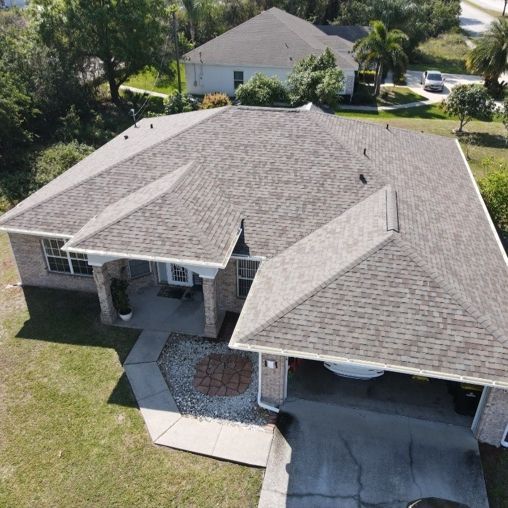
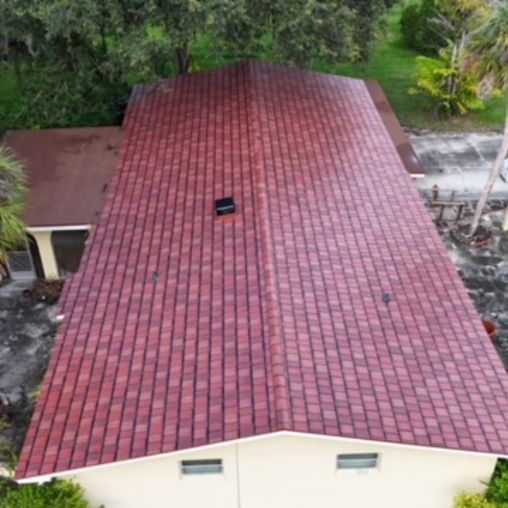
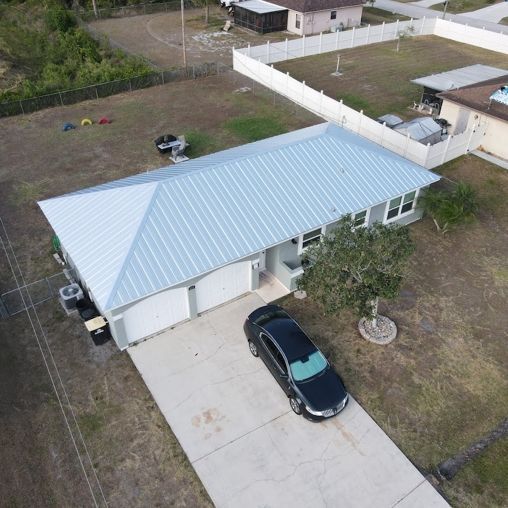
Check Out Our Huff & Puff-Proof Roofs
Financing Available
Schedule Your Service

Contact Us Today
We're Ready to Help!