
Roof Repair on Merritt Island, FL: Why Barrier Island Conditions Create Problems the Mainland Does Not Have
Roof Repair on Merritt Island, FL: Reading the Warning Signs When Salt Air Is Part of the Equation
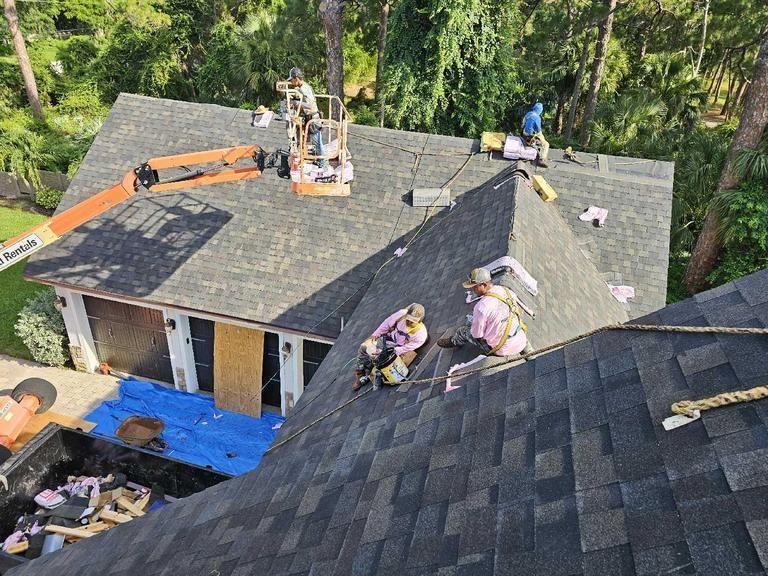
Merritt Island sits between the Indian River Lagoon and the Banana River, with Kennedy Space Center to the north and the Atlantic not far beyond. That geography is spectacular. It also means every roof on the island is dealing with conditions that mainland Brevard County properties simply do not face at the same intensity: salt air from two water bodies, higher humidity, more direct wind exposure, and the faster material degradation that comes with all of it.
A roof problem on Merritt Island is not always the same problem it would be on a Palm Bay or Melbourne property of the same age and material. Understanding the specific failure modes that barrier island conditions produce is what separates a repair that actually addresses the cause from one that addresses the symptom while the real problem continues underneath.
3LP Roofing handles roof repair throughout Merritt Island and Brevard County. Here is how to read what your roof is actually telling you in this specific environment.
Salt Air and Metal Components: Where Merritt Island Roofs Fail First
Every roof has metal components. Flashing at the chimney, around pipe penetrations, along valley transitions, and at any wall-to-roof junction. Drip edge along the eaves and rakes. Vent covers. All of these face accelerated corrosion in a salt air environment. What would last fifteen years of coastal exposure on a mainland home may develop visible corrosion in eight to ten years on Merritt Island.
The symptom is usually a water entry point that appears at a flashing location rather than through the shingle field. The homeowner notices a ceiling stain near the chimney, or water appearing at the wall where a dormer meets the roof slope, and assumes the shingles are the problem. Often the shingles are fine. The flashing is corroded or the sealant at the flashing overlap has dried and cracked from UV and the thermal cycling of a climate that never gets cold enough to slow material fatigue.
A roof repair assessment on Merritt Island that does not specifically examine every metal component for corrosion and every sealant point for adhesion failure is an incomplete assessment.
The Attic Assessment That Most Inspections Skip
A leaking roof on Merritt Island is often diagnosed from the outside. The inspector looks at the shingle field, checks the visible flashing, and may or may not get close enough to examine the penetration boots. What that assessment misses is the information that the attic holds.
Moisture staining on the underside of the decking tells you where water has been entering and for how long. Fresh staining versus old, discolored staining tells you whether the entry is active or historical. Staining at a location different from where the interior ceiling symptom appeared tells you that water is traveling before it drips through, which means the repair needs to go to the actual entry point rather than where the water showed up inside.
In Merritt Island's humidity, attic moisture conditions are also worth evaluating independent of any roof penetration. An attic with inadequate ventilation accumulates moisture from the interior of the home that condenses on cooler surfaces in the early morning. This moisture can look like a roof leak when it is actually a ventilation problem. The two conditions have different solutions and the attic tells you which one you are dealing with.
Hail and Wind on the Island: Why the Pattern Looks Different Here
Merritt Island's position between the lagoon and the ocean means storm systems approach from different directions depending on whether they are Atlantic-origin or Gulf-tracking. The wind exposure on the island is more multidirectional than on the mainland, and hail events that produced visible damage on the west face of a roof may have also damaged the east face in ways that a west-facing ground inspection does not reveal.
3LP Roofing documents storm damage findings in the format insurance adjusters use, which matters for Merritt Island properties where hail or wind events warrant a claim. The team can be present during the adjuster visit to walk through the documented damage rather than leaving the scope determination entirely to the adjuster.
3LP Roofing: Merritt Island and Brevard County
Jeff and Lisa built 3LP Roofing around customer education because they believe homeowners who understand what is happening with their roof make better decisions. On Merritt Island, that education includes the specific conditions the island environment creates that mainland Brevard homeowners do not face at the same level. The 10-year workmanship warranty, free on-site inspections, and 24/7 emergency service apply throughout the island and Brevard County.
BBB A+ rated. Licensed and insured. Free roof inspections and estimates. Call (321) 326-0817 or contact 3LP Roofing online.
Schedule a Free Roof Repair Assessment on Merritt Island
If your roof is showing signs of trouble and you want to know the actual cause before authorizing any repair, contact 3LP Roofing for a free on-site inspection. Call (321) 326-0817.
Frequently Asked Questions About Roof Repair on Merritt Island
Why does salt air affect roofs on Merritt Island differently than the mainland?
Salt air accelerates corrosion on all metal roofing components: flashing, drip edge, vent covers, and penetration collars. What lasts fifteen years on a mainland property may show visible corrosion in eight to ten years on Merritt Island, which sits between two water bodies with consistent salt air from both directions. Metal component inspection is a priority on any island roof assessment.
How do I know if my Merritt Island roof leak is a flashing problem or a shingle problem?
Location is the primary indicator. Leaks that appear near chimney bases, at wall-to-roof transitions, around pipe penetrations, or in valleys typically originate from flashing failures rather than shingle failures. Shingle failures tend to produce leaks away from transition points. A close inspection of the relevant area, including the sealant condition at every metal overlap, confirms which situation applies.
Does 3LP Roofing inspect the attic during a roof repair assessment on Merritt Island?
Yes. The attic assessment is a standard part of every 3LP Roofing inspection. Moisture staining on the decking reveals where water has been entering and whether the intrusion is active or historical. It also reveals whether attic ventilation conditions are contributing to moisture buildup independent of any roof penetration failure, which can produce symptoms that look like a roof leak.
Can 3LP Roofing document my Merritt Island roof damage for an insurance claim?
Yes. 3LP Roofing documents storm damage findings in the format insurance adjusters use and can be present during the adjuster visit to walk through the documented damage directly. This is particularly useful on Merritt Island where storm systems approach from multiple directions and damage can appear on multiple faces of the roof rather than just the most wind-exposed side.
How quickly can 3LP Roofing respond to roof emergencies on Merritt Island?
3LP Roofing provides 24/7 emergency roof repair service throughout Brevard County including Merritt Island. For active water entry or storm damage requiring immediate protective measures, call (321) 326-0817. Emergency tarping is available to stop interior damage from compounding while the full assessment and permanent repair process proceeds.
What is the most common roof repair on Merritt Island homes?
Flashing repair and penetration reflashing are the most common repair types on Merritt Island properties, driven by salt air corrosion that affects metal components faster than on the mainland. Shingle tab repairs and sealant replacement at penetration boots follow. Barrier island homes over ten years old with original metal components are worth having assessed proactively before the corrosion produces an active leak.