Roof Inspections in Melbourne, FL
Roof Checks for Melbourne Homes Before Storm Season Finds the Weak Spot
Melbourne roofs do not all age the same way. A house near Eau Gallie with mature trees over the roof can have a different problem than a newer home west of Wickham Road or a property closer to Babcock Street, Sarno Road, Lake Washington, or downtown Melbourne. Afternoon storms, heat, attic humidity, clogged valleys, and wind pushed rain off the Indian River Lagoon can all expose weak spots that are easy to miss from the driveway.
3LP Roofing Inc inspects the roof system itself, not just the obvious surface. We check shingles, tile, metal, flat roof areas, ridge details, pipe boots, vents, skylights, flashing, valleys, gutters, roof edges, attic clues when available, and any area where water could travel under the roof covering. You get a plain explanation of what is wearing normally, what needs attention, and what can be watched.
Need a roof inspection in Melbourne?
Call 3LP Roofing Inc at (321) 326 0817 or
message us online today.
When a Melbourne Roof Inspection Makes Sense
A roof inspection is worth scheduling when you need a clear answer instead of guessing from a ceiling stain or a few loose granules in the gutter. In Melbourne, small roof openings can sit quietly through dry weather and then show up fast during a hard afternoon downpour.
- After a strong storm: Have the roof checked after heavy rain, high wind, nearby tree damage, or debris impact, especially around ridge caps, valleys, roof edges, and wall flashing.
- Before insurance or real estate decisions: Photos and condition notes help homeowners understand the roof before a policy request, buyer inspection, listing appointment, or closing deadline.
- When the home feels damp or musty: Attic humidity, staining near vents, soft decking, and damp insulation can point to roof issues before water is dripping inside.
- When the roof is getting older: Even if the roof is not leaking, older sealants, pipe boots, fasteners, and flashing should be checked before the next wet stretch.
Older Melbourne neighborhoods near Eau Gallie, US 1, and downtown often have roof details that have been patched or sealed more than once. West side homes near Wickham Road and Lake Washington may look newer from the street, but valleys, vents, and sidewall flashing can still fail when storms push rain sideways.
An inspection helps separate maintenance from real roof work. Sometimes the answer is a small repair. Sometimes the roof is telling you it is time to plan ahead. Either way, the decision should come from what the roof is actually doing, not from fear or guesswork.
Melbourne Roof Issues We Look For Closely
A good inspection follows the path water would take. We look at where water lands, where it slows down, where it can collect, and where it might get behind the roofing material.
- Shingle and tile condition: We look for lifted tabs, cracked tile, broken ridge pieces, missing granules, brittle corners, exposed nails, and old repair spots.
- Penetrations and flashing: Pipe boots, vents, skylights, chimneys, sidewall areas, and roof to wall transitions are checked because they are common leak starters.
- Drainage and debris: Valleys, gutters, flat sections, scuppers, and roof edges are reviewed for buildup that can hold water against the roof.
- Interior clues when accessible: Staining, damp insulation, daylight, dark decking, and ventilation concerns can help confirm what is happening above the living space.
Melbourne heat can dry out sealants and make older materials brittle. Once a small opening appears, summer rain can work its way into the roof deck quickly. Catching those spots early is usually easier than dealing with drywall, insulation, and flooring damage later.
Melbourne Specific Considerations for Roof Inspections
Melbourne stretches from river influenced areas to busy inland corridors, so the inspection should match the property. Tree cover, roof pitch, age, attic access, drainage, and exposure to open wind all matter.
- Eau Gallie and older streets near US 1: Mature oaks, palms, and older roof details can hide cracked shingles, rubbed tile, clogged valleys, and patched flashing.
- Lake Washington and west Melbourne areas: Open lots can take strong afternoon wind and rain, so ridge lines, roof edges, and vent penetrations deserve close attention.
- Babcock Street, Sarno Road, and commercial corridors: Mixed roof types, rooftop equipment, and older flashing details can make leak tracing more involved.
- Permit and code awareness: If inspection findings lead to repair or reroof work that requires approval, the scope should follow the proper local process.
Local experience matters because a roof can look acceptable from the ground and still have weak points where Melbourne weather finds its way in. The inspection should explain those details in language a homeowner can use.
Cost Factors and Financing Options After a Roof Inspection
The inspection helps identify what happens next. The cost of any follow up work depends on the roof material, access, problem area, amount of moisture involved, and whether the issue is limited or spread across several sections.
3LP Roofing Inc explains the findings before recommending work. If maintenance is enough, we will say so. If the roof needs a focused repair, we explain the area and why it matters. If the inspection points toward replacement planning, financing options may help homeowners handle the project before storm season turns a known problem into interior damage.
- Inspection purpose: Leak checks, storm reviews, real estate requests, insurance documentation, and maintenance visits can require different photo notes.
- Roof material: Shingle, tile, metal, and flat roofs show wear in different ways and need different repair approaches.
- Hidden damage: Wet underlayment, soft decking, stained sheathing, or damaged fascia can change the recommendation once the roof is opened or confirmed.
- Access and timing: Steep slopes, two story homes, tight lots, weather delays, and permit needs can affect scheduling after the inspection.
West Melbourne
Proud Awards, Certifications
& Featured Brands



Commercial Roof Inspection Services for Melbourne Businesses
Commercial roofs in Melbourne need a careful inspection because water rarely travels in a straight line above a business. A leak over a retail space on Wickham Road, an office near Babcock Street, a medical suite, a warehouse, or a tenant buildout can affect equipment, inventory, ceiling systems, and daily schedules.
3LP Roofing Inc checks roof surface condition, rooftop units, curbs, drains, scuppers, wall transitions, seams, fasteners, and areas where ponding water or old repairs may hide the source. We also explain warranty details up front, including 3LP's ten year workmanship warranty where it applies to approved repair or replacement work.
- Protect operations: We look for small openings before water reaches customer areas, work rooms, storage, or electrical equipment.
- Plan access carefully: We discuss business hours, weather, safety needs, and building access so the inspection is not disruptive.
- Document the roof condition:
Photos and notes help owners, property managers, and insurers understand what needs attention first.
Whether the concern is ponding water, failed sealant, loose metal, open seams, storm debris, or aging flashing, we explain the findings in a way that helps you choose the next step.
Our Melbourne Roof Inspection Process
We start by asking what you have noticed. A stain in the hall, granules by a downspout, a loose tile near the garage, or a problem after a storm can change where the inspection begins.
- Property walk around: We look for gutter discharge issues, fascia damage, loose materials, tree contact, and signs of water movement.
- Roof detail review: We check roof fields, valleys, ridges, flashing, pipe boots, vents, skylights, fasteners, roof edges, and drainage points.
- Scope and permit preparation: We review the work plan, timeline, material choices, permit needs, and any conditions that could change once the roof is opened.
- Attic or interior check when available: Staining, damp insulation, daylight, and ventilation clues are compared with what we see on the roof.
- Clear recommendation: We explain what should be fixed now, what can be monitored, and whether larger planning makes sense.
- Final conversation: You get the findings, photos when available, and a practical next step before deciding on any work.
The goal is simple. Give Melbourne homeowners enough information to protect the home before the next storm exposes the problem the hard way.
Frequently Asked Questions About Roof Inspections in Melbourne, FL
How do I know if my Melbourne roof needs an inspection?
Call for an inspection when you notice a ceiling stain, loose shingles, cracked tile, granules in gutters, a musty attic smell, sagging spots, or debris sitting in a valley. You should also have the roof checked after a strong storm, even if the house looks fine from the street.
Many Melbourne roof problems start small around pipe boots, vents, flashing, and roof edges. Finding the issue early can keep a minor repair from becoming drywall, insulation, and paint damage inside the home.
Should I have my roof checked before hurricane season?
Yes, that is a smart time to inspect the roof. Before the busiest storm months, you want to know whether ridge caps, shingles, tile, fasteners, flashing, and gutters are ready for wind and heavy rain.
A pre season inspection gives you time to handle small repairs before contractors get backed up and before a known weak spot gets tested by several days of wet weather.
What happens if you only find a small roof problem?
If the issue is small, we explain the exact area and the likely repair. That may mean replacing a pipe boot, securing flashing, clearing a drainage area, repairing a few shingles, correcting a tile issue, or sealing a roof detail the right way.
We do not turn every inspection into a replacement conversation. If a focused repair makes sense and the rest of the roof is serviceable, we will explain that clearly.
Do you inspect shingle, tile, metal, and flat roofs in Melbourne?
Yes. Each roof type gets checked differently. Shingle roofs may show lifted tabs, granule loss, nail pops, or missing pieces. Tile roofs can have cracks, slipped pieces, broken ridge details, and underlayment concerns. Metal roofs need attention around fasteners, seams, oxidation, and flashing. Flat roofs need careful review around drains, ponding water, seams, and rooftop equipment.
The point is not to use one checklist for every roof. The inspection should match the roof system on the home
Ready for Roof Inspection Help?
Our team is ready to inspect your Melbourne roof, explain the roof condition, and recommend the right next step before small issues turn into interior damage. Call 3LP Roofing Inc at (321) 326 0817 or message us online today!
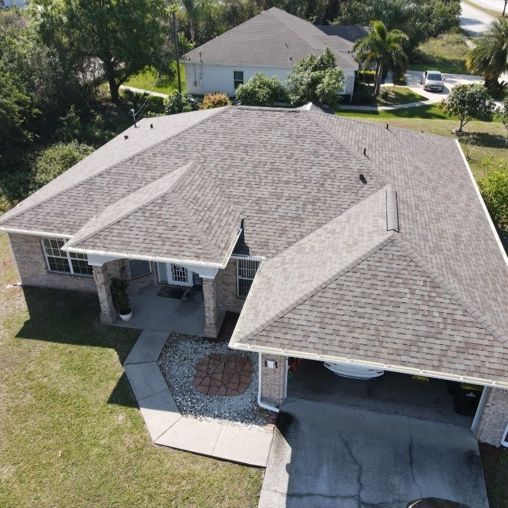
Recent Work
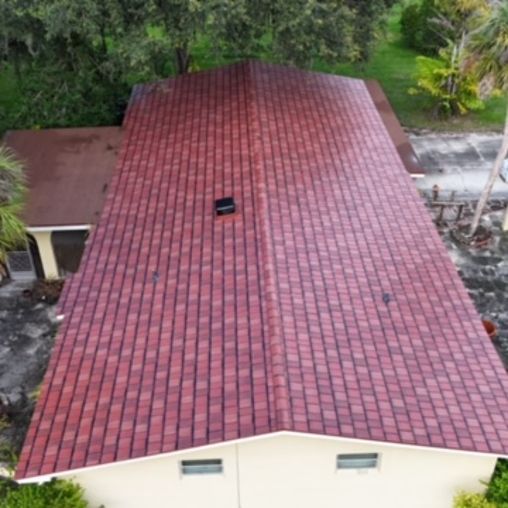
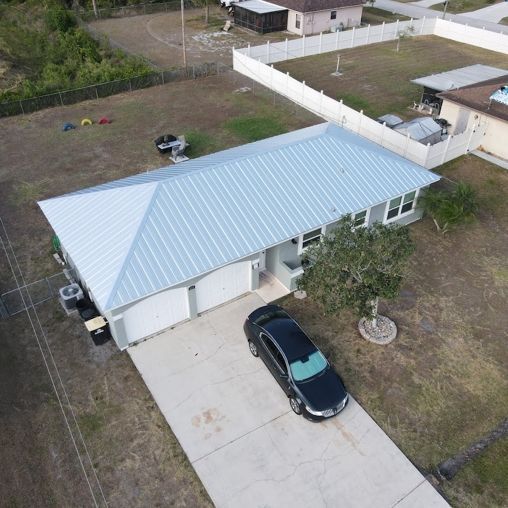
Check Out Our Huff & Puff-Proof Roofs
Financing Available
Schedule Your Service


Contact Us Today
We're Ready to Help!