
Flat Roofing Systems Compared for West Melbourne, FL: TPO, Modified Bitumen, and What Actually Fits
Comparing Flat Roofing Systems for Your West Melbourne, Florida Property: TPO, Modified Bitumen, and EPDM Explained in Detail
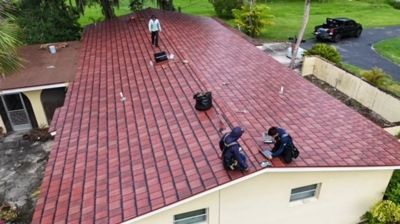
Flat and low-slope roofing frequently comes up for West Melbourne property owners on additions, porches, garages, and increasingly on commercial and mixed-use buildings throughout the area's growing commercial corridors. Unlike sloped residential roofing, where asphalt shingles dominate the conversation almost entirely, flat roofing involves a real choice between distinct membrane systems, each with different performance characteristics, different installation requirements, and different costs.
3LP Roofing installs flat roofing and flat roof installation throughout West Melbourne and Brevard County. Here is how the main options actually compare.
TPO: The Current Standard for Most Applications
Thermoplastic polyolefin, more commonly known as TPO, is the most commonly installed flat roofing membrane today, and for good reason. It heat-welds at the seams, creating a bond that is typically stronger than the surrounding membrane field, which is the opposite of older adhesive-seamed systems where the seam was the weak point. TPO's white or light-colored surface also reflects solar heat rather than absorbing it, which matters considerably for a West Melbourne building running cooling systems through most of the year.
TPO's combination of moderate cost, strong seam performance, and meaningful energy efficiency is why it has become the default recommendation for most low-slope applications, both residential additions and larger commercial buildings, throughout the current Florida roofing market today.
Modified Bitumen: Still the Right Choice for Specific Situations
Modified bitumen is an asphalt-based, multi-layer membrane system that has a long track record in Florida and remains the better choice for certain applications even though TPO has captured most of the broader market. Roofs with heavy foot traffic from regular HVAC maintenance access perform better with modified bitumen's multi-layer, puncture-resistant construction than with a single-ply membrane.
Modified bitumen also works well as a recover option over an existing built-up roof system, extending service life without requiring a full and costly tear-off. For a West Melbourne property with an aging flat roof section that is not yet ready for complete replacement, this is worth discussing during the inspection rather than defaulting straight to TPO without considering the alternative.
EPDM: An Older Standard With Continued Use Cases
Ethylene propylene diene monomer, EPDM, is a rubber membrane that was the dominant flat roofing choice before TPO's rise. It still sees use, particularly in applications where its specific flexibility and long track record matter to the property owner. The seams on EPDM rely on adhesive or tape rather than heat welding, which is generally considered a less durable seam method than TPO's welded seams over the long term, particularly in Florida's significant thermal cycling conditions throughout the year.
For most new West Melbourne flat roofing projects, TPO or modified bitumen have generally overtaken EPDM as the more commonly recommended choice for property owners, though EPDM remains a reasonable option for specific situations where its particular characteristics fit better than either of the more commonly recommended alternatives available in today's market.
What Determines the Right Choice for a Specific West Melbourne Property
The actual use of the space matters more than any general preference between systems. A residential addition with minimal foot traffic is well served by standard TPO. A commercial building with frequent rooftop equipment access benefits from modified bitumen's durability. An existing built-up roof nearing the end of its life but not ready for full replacement is a strong candidate for a modified bitumen recover system rather than starting over completely from a bare deck.
Drainage configuration, parapet wall conditions, and the number and type of roof penetrations all factor heavily into which system installs most effectively on a given structure. 3LP Roofing assesses these specifics carefully during every inspection rather than recommending a single default system for every flat roofing situation that comes through the door.
3LP Roofing: West Melbourne and Brevard County
Jeff and Lisa's experienced team handles both residential and larger commercial flat roofing projects throughout West Melbourne and the broader Brevard County area. The same honest assessment approach that runs through every other service at 3LP Roofing applies here: a recommendation based on what the property actually needs rather than a default sales pitch toward one system regardless of fit.
Free on-site inspections. 10-year workmanship warranty. BBB A+ rated. Financing available. Call (321) 326-0817 or contact 3LP Roofing for a flat roofing estimate.
Schedule a Free Flat Roofing Estimate in West Melbourne
If you are comparing flat roofing systems for a West Melbourne property, contact 3LP Roofing for a free, no-pressure inspection. Call (321) 326-0817.
Frequently Asked Questions About Flat Roofing Comparisons in West Melbourne
Which flat roofing system is best for a West Melbourne property?
TPO is the right default for most applications given its cost, seam strength, and energy efficiency. Modified bitumen is the stronger choice for roofs with heavy foot traffic or for recovering an existing built-up roof system without a full tear-off. The right answer depends on the property's specific use and existing roof condition, which 3LP Roofing assesses during the inspection.
Why is TPO more commonly used than EPDM for new flat roofs?
TPO uses heat-welded seams that are generally stronger than EPDM's adhesive or tape-based seams, particularly under Florida's thermal cycling between hot days and cooler nights. TPO's reflective surface also reduces cooling load, which is a meaningful advantage for buildings running air conditioning through most of the year in West Melbourne's climate.
Is modified bitumen a good option for an existing flat roof in West Melbourne?
Yes, particularly as a recover system over an existing built-up roof that is not yet ready for complete replacement. Modified bitumen also performs well on roofs with regular foot traffic from HVAC maintenance access, given its multi-layer, puncture-resistant construction compared to single-ply membrane alternatives.
How long does TPO roofing last in West Melbourne's climate?
A properly installed TPO system typically delivers 20 to 30 years of service in Florida's climate, with membrane thickness playing a significant role in where a specific installation falls within that range. Thicker membranes generally outlast thinner ones under comparable UV and thermal stress conditions common throughout Brevard County.
Does 3LP Roofing install both residential and commercial flat roofing in West Melbourne?
Yes. 3LP Roofing handles flat roofing for residential applications like additions and porches as well as commercial properties throughout West Melbourne and Brevard County. The assessment and system recommendation process is the same regardless of whether the project is residential or commercial in scale.
Does 3LP Roofing offer free inspections for flat roofing in West Melbourne?
Yes. Free on-site inspections are available for flat roofing assessments throughout West Melbourne. The inspection includes an evaluation of the existing roof condition, the property's specific use case, and a recommendation on which system, TPO, modified bitumen, or another option, actually fits the situation best.